
Ipoh in the 1950s / Kam Kong Hotel
Kam Kong Hotel Walkway
This walkway is where the many guests of Kam Kong Hotel would have traipsed to their rooms from the lobby downstairs.
Ipoh in the 1950s
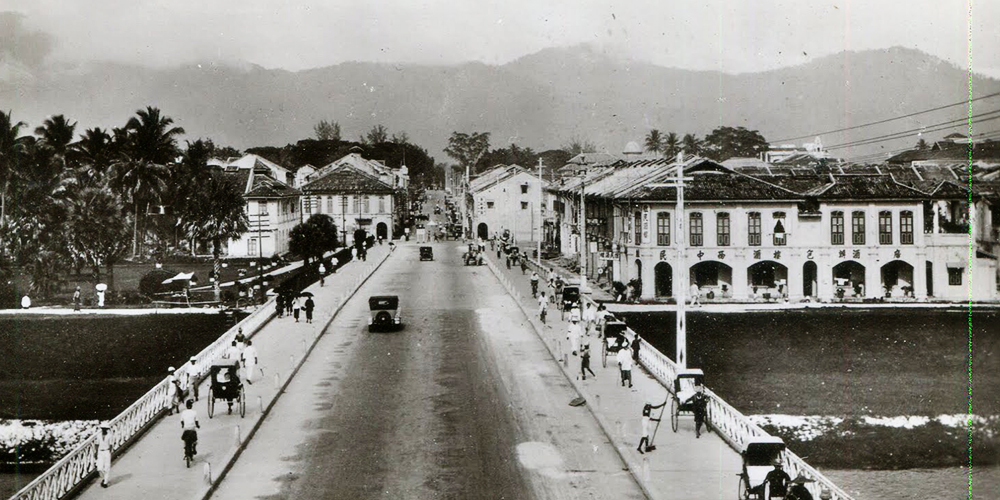
Welcome to Ipoh in the fifties!
By the early 20th century, Ipoh was the entertainment hub of the Kinta Valley. Girls and glamour, fun and fashion – Ipoh was the place to be. People from outlying towns flooded Ipoh for imported goods, theatres, and bright lights.
Sundry Shop
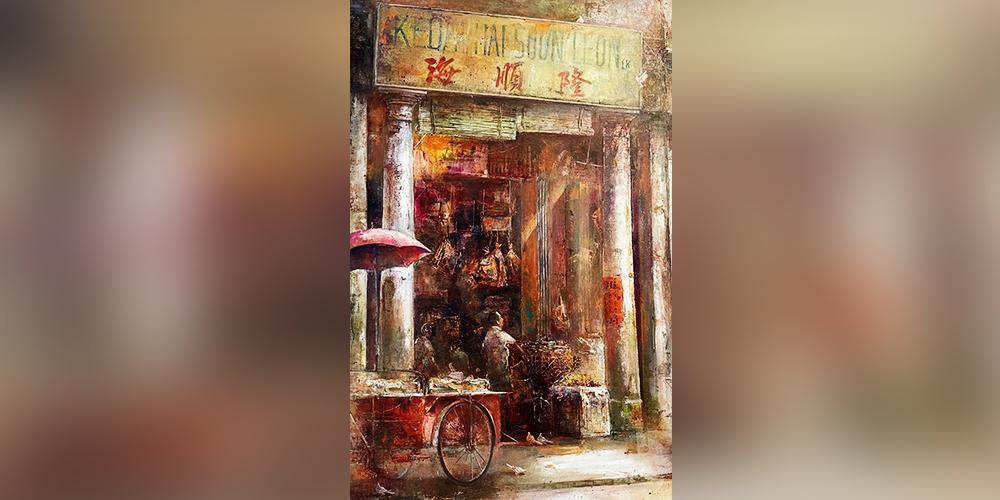
Before there was Tesco and Aeon, there were sundry shops. It was the go-to place for dry cooking ingredients, snacks, ointments, charcoal, you name it! Sometimes, sundry shop owners would deliver heavy items to their customers or even sell their goods on credit.
It was a wonderland for children as there were cheap toys on sale too. In a time before refrigeration was widely available in houses, sundry shops were one of the few places to get ice. Children would have a field day if they could get their hands on a piece of scrap ice!
Street Hawkers
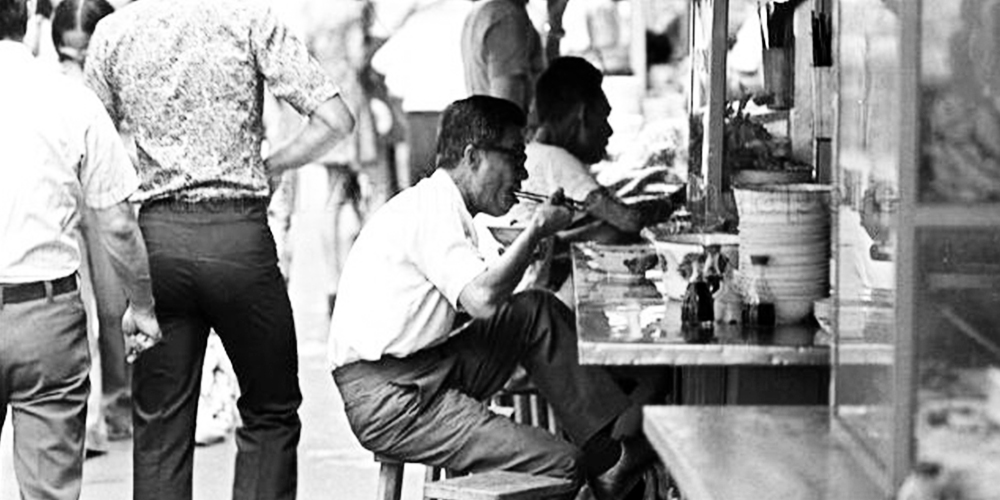
The Great Depression in the 1930s had a profound impact on Ipoh’s tin mining industry. Many lost their jobs in the mines and turned to street hawking to make ends meet. As a result, we enjoy a rich hawker food culture in Ipoh today!
By the late 1930s, there were tens of thousands of both licensed and unlicensed hawkers on Malayan streets. Hawkers carried their goods in baskets on shoulder yokes or kandar sticks or used carts or bicycles. Customers would sit on short stools by the road enjoying meals of fried kuay teow, beef noodles, rojak, and nasi kandar. Some of these hawkers would operate late into the night to cater for hungry customers after a show at the theatre or cabaret.
In an effort to control public hygiene, town councils introduced hawker centres in the 60s to get the hawkers off the streets.
Photo Studio
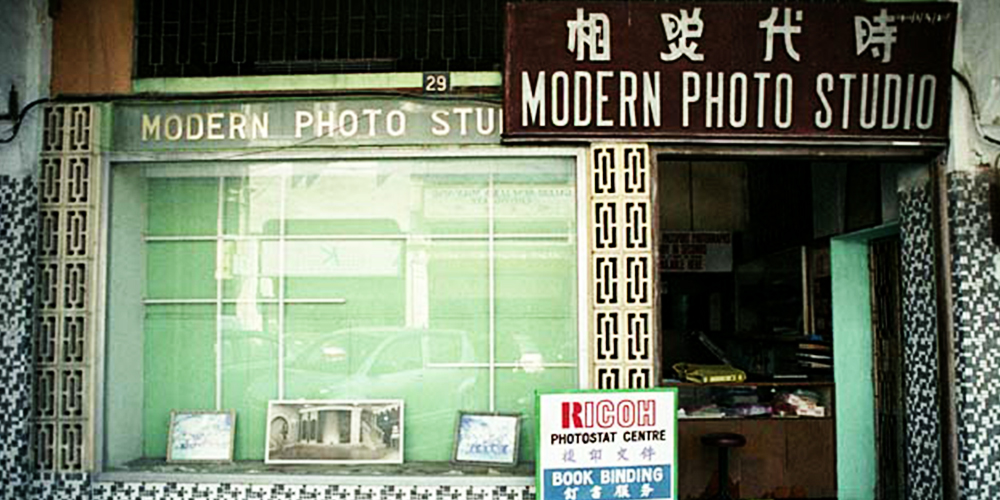
Before the time of phone and compact cameras, photo studios were the place to have your portrait taken. People frequented several popular studios in Ipoh like Modern, Kok Kin, Ngan Sing, and Chan Sam Lock. Unfortunately, the advent of smartphones spelt the death of most photo studios.
Mikasa was an infamous photo studio along Belfield Street in 1911. This was where Masaji Fukabori, a Japanese spy based his operations for three months. He sent photographic intelligence about Malaya unsuspectingly to the Japanese army.
Kam Kong Hotel
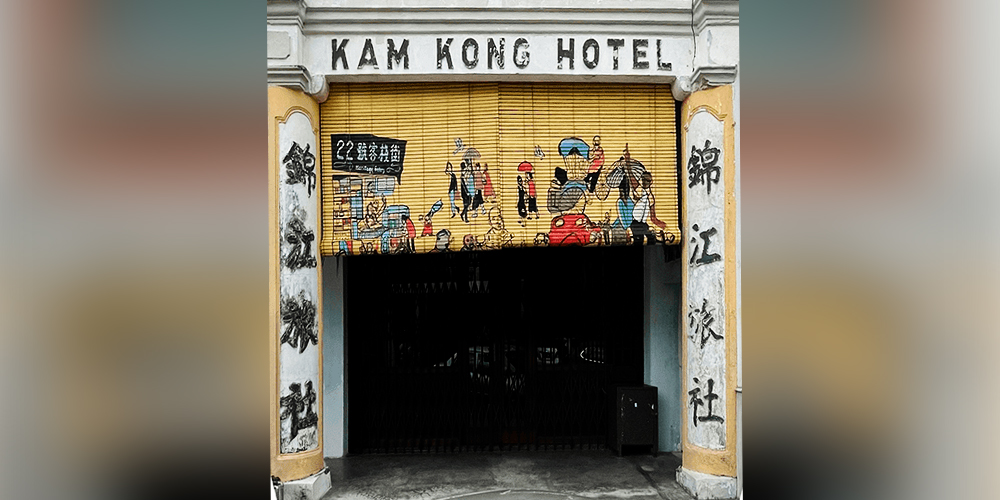
No. 24 Hale Street was originally Kam Kong Hotel or formerly known as Kam Lun Thye Hotel. It has seven large rooms and was the last remaining hotel on the street when it closed in 2008.
You can get a feel of a hotel room in the 50s in these two original rooms. Swing doors gave guests some privacy while allowing ventilation together with the wire mesh walls.
Rediffusion
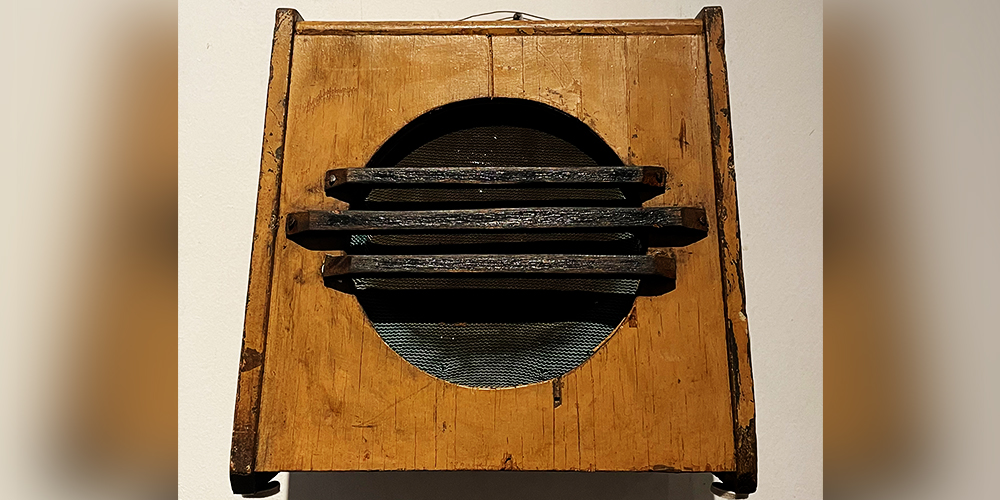
Private broadcasting in peninsular Malaya began shortly after World War II with a commercial wired radio system, Rediffusion. The corporation was formed in England in 1928, and relayed broadcasts to places where signals were poorly received. In 1948, Rediffusion reached Malayan shores starting in Singapore, then Kuala Lumpur, and later, Ipoh and Penang. Radio sets were expensive, but Rediffusion was affordable with a subscription rate of $5 a month.
Initially, English programmes from BBC and Radio Malaya were broadcasted, but Chinese dialect programmes became more popular.
Rediffusion radio sets were common in coffee shops and people usually left it to play the whole day. At certain times, people would gather around to listen to interesting stories narrated by Lee Dai Sor and Ong Toh.
The introduction of televisions in the 1960s diminished Rediffusion’s popularity.
Ipoh as Entertainment Hub of Kinta Valley
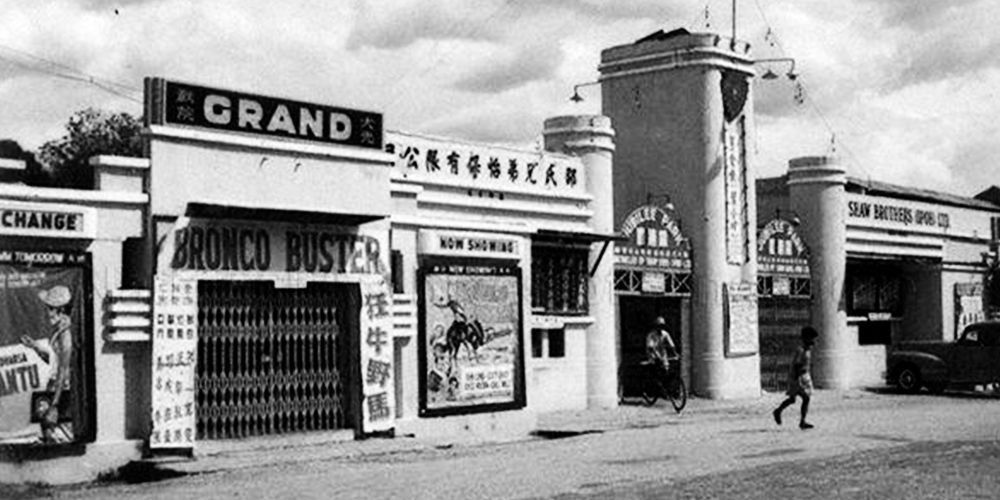
Mining coolies and people from the outlying towns found the bright lights of Ipoh more attractive. Theatres, cabarets, amusement parks, fabric shops, and departmental stores were everywhere around town.
Ipoh’s foremost amusement park was Jubilee Park by the Shaw Brothers. It housed the Grand Theatre, a cabaret, and featured the Malay opera bangsawan and even boxing matches. Ronggeng dancers or ‘taxi girls’ were also popular with male patrons. One highlight performance was the famous Rose Chan’s scandalous striptease shows.
There were more than 10 cinemas in Ipoh at one time, and the Sun Cinema situated behind 22 Hale Street could draw a crowd of 3,000! It was the first cinema in Ipoh that showed movies with sound. Unfortunately, it was demolished after a fire broke out.